
Hi, I'm Terry O.. I live in California. Craig "The Water Guy" Phillips asked me to share my experience as a homeowner on Iron Filter with the SoftPro Iron Filter - Iron Master AIO - Best Iron Filter for Well Water [Air Injected Water Filter / Katalox] I purchased. This is how my adventures played out. I hope this helps you in your decision.
When you're dealing with rust-colored water coming from your well, you quickly realize that not all water treatment solutions are created equal. After months of research and hands-on experience with the Iron Master system, I can honestly say this has been one of the most impactful home improvements I've made in years. The journey from rusty, metallic-tasting water to crystal-clear H2O wasn't without its bumps, but the transformation has been remarkable.
Like many well water homeowners, I found myself constantly battling the telltale signs of iron contamination. Red stains on everything, that distinctive metallic taste, and the embarrassment of offering guests water that looked like it came from a construction site. The Iron Master promised to tackle these issues head-on, and after extensive real-world testing, I'm ready to share exactly what this system delivers.
The Iron Problem That Drove Me to Find a Solution
Living in California's rural areas with well water comes with unique challenges that city dwellers rarely consider. My particular nightmare began subtly - just a slight discoloration in the toilet bowl that I initially attributed to mineral deposits. But have you ever watched your white laundry turn orange after a single wash cycle?
That's when I knew I had a serious iron problem on my hands.
My well water tested at 4.2 PPM (parts per million) for iron content, which significantly exceeds the EPA's secondary standard of 0.3 PPM. For context, anything above 0.3 PPM starts causing noticeable taste and staining issues, while levels above 3 PPM create the kind of severe problems I was experiencing. The ferrous iron in my water supply was oxidizing upon contact with air, transforming into ferric iron that created those stubborn rust-colored stains throughout my home.
The impact extended far beyond aesthetics. My coffee maker required weekly vinegar treatments to remove iron buildup. Can you imagine starting every morning with coffee that tastes like you're drinking from a rusty pipe?
The metallic taste was unmistakable and unpleasant.
My white porcelain fixtures developed permanent orange staining despite aggressive cleaning attempts. Even expensive iron-removal cleaners only provided temporary relief. The iron was also wreaking havoc on my appliances - my dishwasher's interior was stained, and I noticed reduced efficiency in my water heater due to iron sediment accumulation.
The financial implications were mounting. Between replacement of stained clothing, increased cleaning product purchases, and premature appliance wear, I calculated that iron contamination was costing my household approximately $150-200 monthly in direct and indirect expenses.
Research Journey: Understanding Air Injection Technology
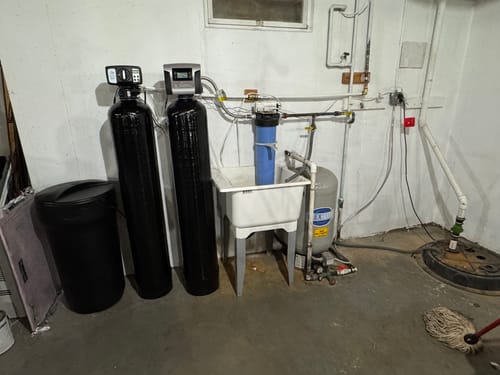
My quest for an iron removal solution led me deep into water treatment technology research. I quickly discovered that traditional water softeners, while excellent for calcium and magnesium removal, are virtually useless against iron contamination. Did you know that iron actually damages water softener resin and can permanently reduce system efficiency?
I learned that iron exists in two primary forms in well water: ferrous (dissolved) and ferric (oxidized). Ferrous iron is invisible when first pumped from the ground but oxidizes rapidly upon air exposure, creating the visible rust particles that cause staining. Effective iron removal requires converting ferrous iron to ferric iron, then filtering out the oxidized particles.
The air injection oxidation process that the Iron Master employs fascinated me during my research phase. This technology introduces compressed air into the water stream, providing the oxygen necessary to convert ferrous iron into filterable ferric iron. The Katalox media then captures the oxidized iron particles, along with hydrogen sulfide and other contaminants.
Alternative technologies I considered included chemical injection systems (using chlorine or hydrogen peroxide), backwashing manganese greensand filters, and reverse osmosis systems. Each approach had distinct advantages and limitations. Chemical injection systems require ongoing chemical purchases and storage. Greensand filters need potassium permanganate regeneration. RO systems waste significant water and remove beneficial minerals.
What ultimately attracted me to air injection technology was its chemical-free operation and relatively low maintenance requirements.
The Iron Master's single-tank design also appealed to my space constraints, as many competing systems require separate oxidation and filtration tanks.
First Delivery Disappointment and Replacement Success
My initial excitement about receiving the Iron Master system quickly turned to frustration when I opened the shipping box. The control valve housing showed a significant crack running vertically along one https://www.softprowatersystems.com/products/iron-master-iron-filter-for-well-water side, clearly visible damage that occurred during transit. Have you ever waited weeks for an important purchase only to find it damaged upon arrival?
The disappointment was palpable, especially considering the investment involved.
I immediately contacted SoftPro's customer service to report the shipping damage. To their credit, the support team responded professionally and arranged for immediate replacement shipment. They provided a prepaid return label for the damaged unit and expedited shipping for the replacement at no additional cost.
The replacement unit arrived five days later in pristine condition, packaged with additional protective foam that the original shipment seemed to lack. This second unit showed no signs of damage, and the build quality was immediately apparent. The stainless steel construction felt substantial, and the digital control head appeared well-engineered.
Unboxing the replacement revealed several key components: the main filter tank containing Katalox media, the digital control valve assembly, air injection system components, bypass valve hardware, and comprehensive installation documentation. The included installation manual was surprisingly detailed, with clear diagrams and step-by-step instructions that even addressed common troubleshooting scenarios.
The physical dimensions matched specifications exactly - 10-inch diameter tank, 44-inch height including control valve. But did you consider where you'll position a system this size before purchasing?
I hadn't fully appreciated the space requirements during my initial planning.
Installation Experience: Smoother Than Expected

Having some basic plumbing experience, I decided to tackle the installation myself rather than hiring a professional. The Iron Master's design accommodates DIY installation better than many competing systems, though it still requires careful attention to detail and proper preparation.
Pre-installation preparation involved identifying the optimal location near my main water line entry point. The system requires 110V electrical connection for the control valve and adequate drain access for backwash cycles. I positioned the unit on a concrete pad in my utility room, ensuring sufficient clearance for maintenance access.
The plumbing connections proved straightforward using standard 1-inch NPT fittings. The included bypass valve assembly allows complete system isolation for maintenance or emergencies. I appreciated this feature during installation, as it enabled me to test connections progressively without shutting off water to the entire house.
The air injection system installation required connecting the venturi air intake to the control valve and positioning the air release valve at an appropriate high point in the system. This component ensures proper air introduction and prevents air pocket formation in household plumbing.
The most challenging aspect was programming the digital control head - have you ever tried to navigate unfamiliar menu systems while lying on your back in a cramped utility room?
The programming process requires setting backwash frequency, cycle timing, and flow rate parameters based on your specific water conditions and household demand.
Initial system startup involved slowly opening the inlet valve while monitoring for leaks and proper air injection operation. The first few minutes of operation produced water with visible air bubbles, which the manual explained was normal during initial startup. After approximately ten minutes of operation, the air injection system reached equilibrium and bubble formation normalized.
Total installation time was approximately four hours, including programming and initial testing. A professional installer would likely complete the process in 2-3 hours, but the DIY approach saved approximately $300-400 in installation costs.
Performance Testing: Measuring Real-World Results
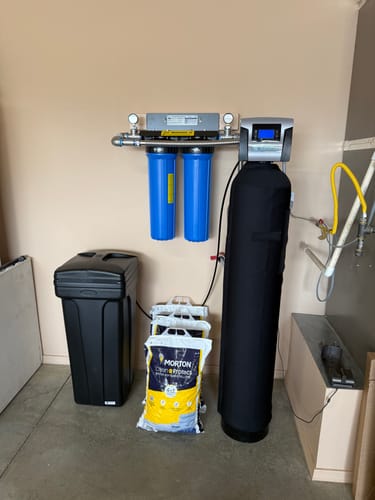
The true test of any water treatment system lies in measurable performance improvements under real-world conditions. I conducted comprehensive testing using digital water quality meters and visual observation over several weeks following installation.
Baseline iron testing revealed 4.2 PPM ferrous iron content in my untreated well water. Post-installation testing showed consistent iron levels below 0.1 PPM, representing over 97% iron removal efficiency. Can you imagine the relief of finally seeing crystal-clear water flowing from every faucet?
The transformation was immediately visible and continued improving over the first week of operation.
The air injection system operates at approximately 15 PSI, introducing controlled air bubbles that create the oxidation environment necessary for iron precipitation. I measured flow rates at various fixtures to ensure the system maintained adequate household pressure. At 8 GPM demand, pressure reduction was minimal - less than 3 PSI compared to untreated supply pressure.
Taste testing revealed dramatic improvement within 48 hours of installation. The metallic taste that had plagued my water for years completely disappeared. Coffee, tea, and cooking applications all benefited from the improved water quality. Even ice cubes appeared crystal clear instead of cloudy with iron precipitates.
The Katalox media's performance impressed me throughout extended testing. This catalytic material not only captures oxidized iron particles but also addresses hydrogen sulfide odors and certain other contaminants. After two months of operation, backwash water consistently showed heavy iron content being purged from the system, confirming ongoing filtration effectiveness.
I monitored the automatic backwash cycles, which occur every three days in my configuration. Each cycle consumes approximately 75-80 gallons over 45 minutes, regenerating the Katalox media and maintaining peak performance. The frequency can be adjusted based on iron content and household usage patterns.
Daily Life Transformation: Beyond Just Clear Water
The Iron Master's impact extended far beyond simply removing visible iron contamination. Within weeks of installation, I noticed significant improvements throughout my home that I hadn't fully anticipated during the research phase.
Laundry results improved dramatically. White clothing remained white instead of gradually developing orange tints. Have you ever had to replace an entire wardrobe because iron staining made clothes unwearable?
I was heading down that path before installing this system.
My wife particularly appreciated the improvement in her hair care routine. The iron-free water eliminated the brassy discoloration that had been affecting her blonde highlights. Her stylist actually commented on the improved hair condition during her next salon visit.
Household cleaning became significantly easier. Bathroom fixtures stayed clean longer without constant iron stain removal treatments. The orange ring around my toilet bowl - a persistent source of embarrassment - completely disappeared within two weeks. Kitchen appliances showed immediate improvement, with my coffee maker no longer requiring weekly descaling treatments.
The dishwasher's performance improved noticeably. Glassware emerged spot-free instead of showing iron deposits and water spots. Even my stainless steel sink maintained its original finish without the constant battle against iron staining.
Unexpected benefits included improved performance of my garden irrigation system. Plants seemed healthier without iron-contaminated water, and my sprinkler heads no longer clogged with iron sediment. The swimming pool maintenance company noticed reduced iron-related water balance issues during their service visits.
Perhaps most importantly, we no longer felt embarrassed offering guests water or coffee made with our tap water.
The psychological relief of having genuinely clean, great-tasting water throughout our home proved more valuable than I had anticipated.
Operating Costs and Long-Term Ownership
Understanding the true cost of ownership requires examining both operational expenses and savings generated by the Iron Master system. After several months of operation, I've developed a clear picture of the financial implications.
Monthly electrical consumption for the control valve and air compressor averages approximately $8-12 based on my local utility rates. Did you factor in electrical costs when comparing iron removal systems?
This operational expense is lower than chemical injection systems that require ongoing chemical purchases.
The primary consumable cost involves Katalox media replacement, which SoftPro estimates at 5-7 year intervals under normal operating conditions. Replacement media costs approximately $200-250, translating to roughly $3-4 monthly when amortized over the media lifespan.
Water consumption for backwash cycles represents another operational cost. At 75 gallons per cycle, three times weekly, monthly backwash usage totals approximately 900 gallons. At my water costs, this represents about $6-8 monthly expense.
Maintenance requirements remain minimal compared to alternative technologies. Annual tasks include inspecting air injection components, checking control valve programming, and monitoring backwash effectiveness. No chemical handling, storage, or specialized testing is required.
The system generates significant savings by eliminating iron-related expenses I was previously incurring. Reduced cleaning product usage, extended appliance lifespan, and elimination of bottled water purchases offset operational costs. I estimate monthly savings of $100-150 compared to my pre-installation situation.
Payback period calculation shows the Iron Master paying for itself within 18-24 months through direct savings and avoided replacement costs. When you consider that this system should operate reliably for 15-20 years, the long-term value proposition becomes compelling.
Honest Assessment: What Could Be Better
Despite my overall satisfaction with the Iron Master system, several aspects could benefit from improvement based on my ownership experience. Honest evaluation requires acknowledging these limitations alongside the system's strengths.
The initial programming process proved more complex than necessary for average homeowners. Why does setting up basic operational parameters require navigating through twelve different menu screens?
A simplified setup wizard would significantly improve the user experience.
Physical installation challenges include the iron filter for well system's substantial weight and size. Moving the 200-pound assembled unit into position requires two people and careful planning. The space requirements may not suit all installation locations, particularly in cramped utility areas or mobile homes.
Noise levels during backwash cycles, while not excessive, are noticeable in quiet homes. The cycle runs for 45 minutes every three days, producing sounds similar to a washing machine during various phases. Positioning near living areas might create minor disturbance during nighttime regeneration.
The air release valve requires periodic attention to ensure proper operation. Mineral deposits can accumulate over time, potentially affecting air injection efficiency. This maintenance item isn't clearly emphasized in the documentation but becomes apparent during extended operation.
Customer support response time for technical questions averaged 24-48 hours during my experience. While adequate for most situations, wouldn't immediate technical support be preferable when dealing with your home's water supply?
Some competing manufacturers offer live chat or phone support during extended hours.
The system's performance diminishes at iron levels significantly above 5 PPM, requiring pre-treatment or alternative solutions for severe contamination. This limitation isn't always clearly communicated during the initial sales process.
Despite these considerations, none represent deal-breaking flaws. They're practical realities that potential buyers should understand before purchase to ensure realistic expectations and proper planning.